
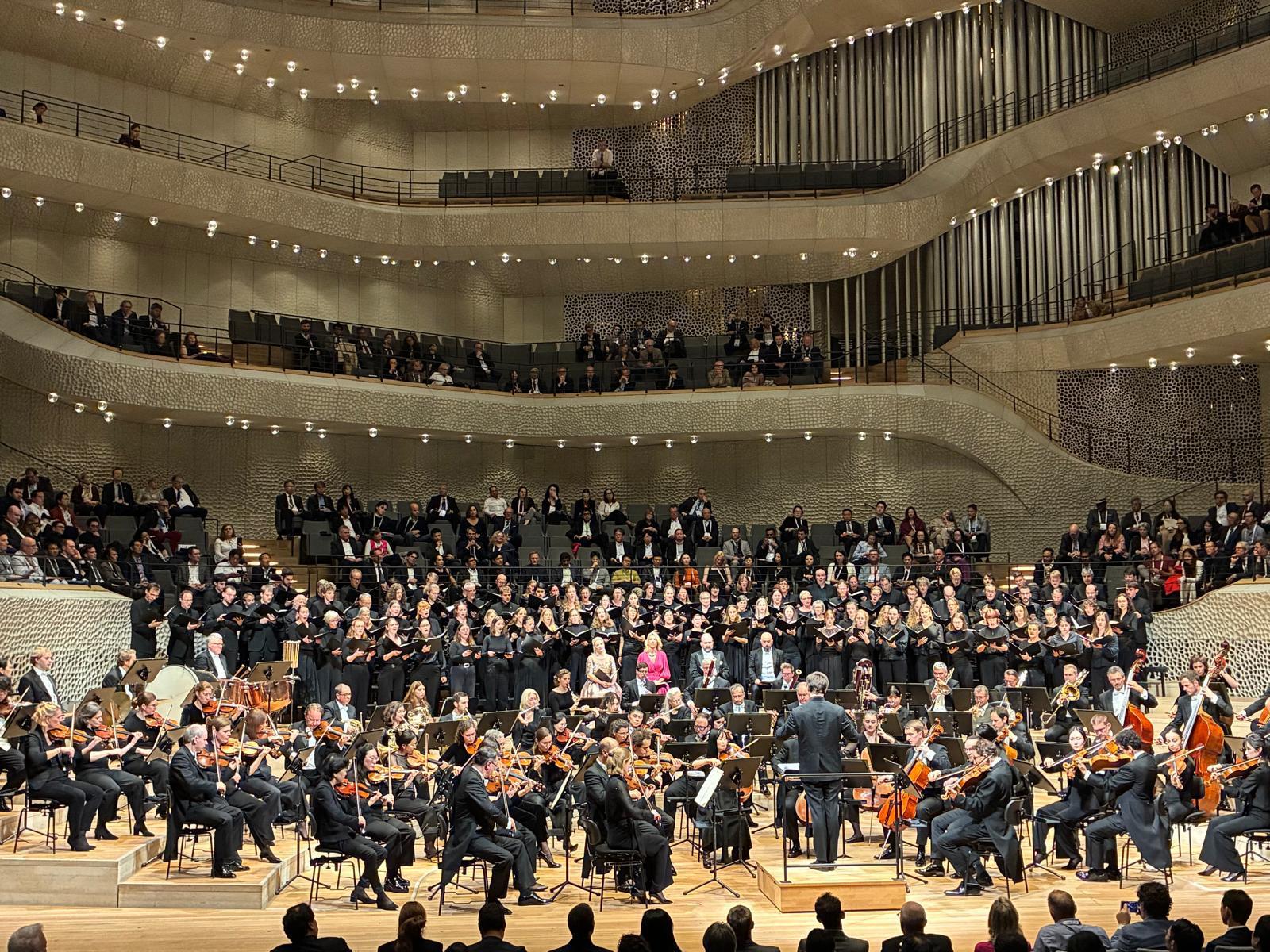
As the 2026 AIPPI World Congress draws to a close, reflections focus on effective protection in the digital environment, personality rights and the meaning of creation in the age of artificial intelligence.
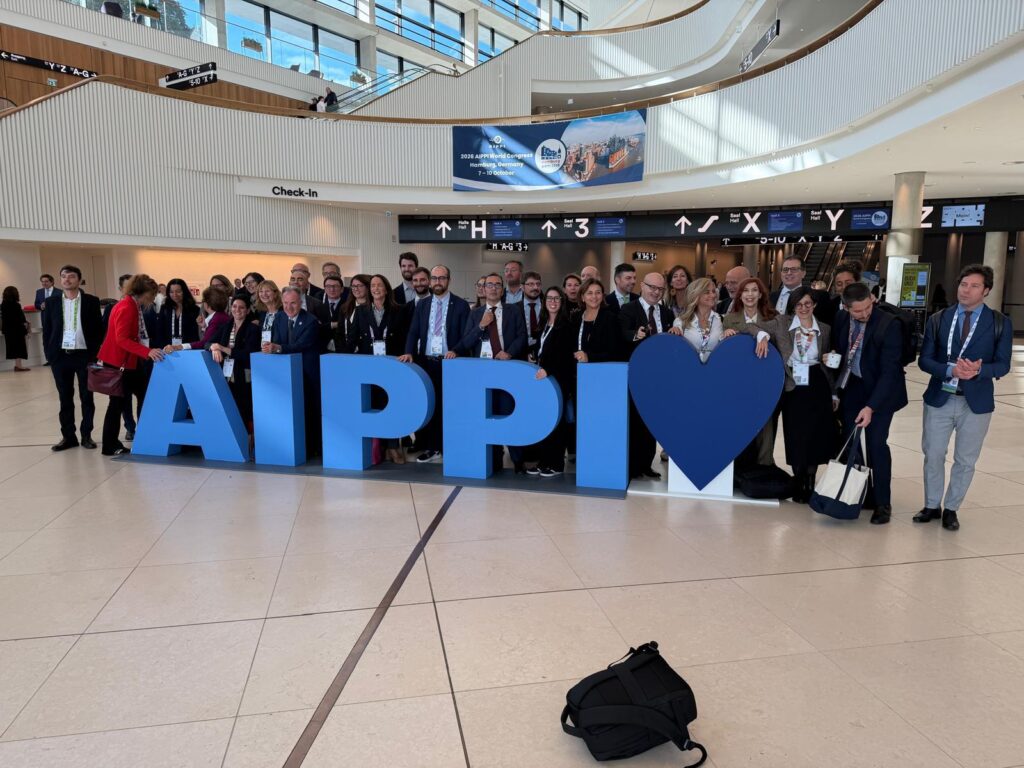
The 2026 AIPPI World Congress closes today, 10 October, in Hamburg, introducing new topics for discussion and looking ahead to Cannes 2027. These days have provided a valuable opportunity for reflection and face-to-face exchanges with colleagues from different jurisdictions, united by a commitment to understanding and addressing the growing challenges facing intellectual property.
The value of an international gathering becomes particularly apparent when the same issue is examined through different legal perspectives. Seemingly shared concepts can carry different meanings, limitations and consequences across jurisdictions. These exchanges allow us to question established interpretations, identify common ground and recognise where further work is needed.
In this respect, the Congress has offered a forum for considering whether existing legal tools adequately address changes that directly affect the circulation of content, personal identity and creative processes.
Dynamic blocking injunctions: effective protection in the digital environment
Among the Congress’s activities, the General Resolution on dynamic blocking injunctions was discussed and adopted. This topic raises a central question: how can intellectual property protection remain effective when the ways in which content is accessed and distributed can change rapidly?
The discussion concerns the relationship between the need for timely action and the importance of precisely defining the scope of protective measures. How can protection remain effective over time? What checks and safeguards should accompany its implementation? How can enforcement avoid affecting lawful content or activities?
These questions highlight the complexity of the relationship between law and digital infrastructure. Effective protection requires attention both to the intended outcome and to the means used to achieve it, taking account of rights holders’ interests, the role of intermediaries and safeguards for users.
Personality rights and deepfakes: what should be protected, and against whom?
The panel on personality rights was particularly thought-provoking, exploring whether—and through which legal tools—these rights can be protected against deepfakes.
The discussion focused on the ability to reproduce recognisable features of an individual artificially and place them in situations, statements or conduct that are not their own. This raises questions about control over the representation of personal identity, alongside the potential personal, professional and financial consequences.
The debate also posed an essential question: against whom should protection be enforced? The creator of the content, the platform making it accessible, or those who use or help distribute it? Distinguishing these positions requires an examination of their respective roles and conduct, as well as the practical tools available to prevent or stop harmful uses.
The description of these rights as “never ending” also prompted reflection on their duration. The expression opens a question without assuming a uniform answer: which aspects of personality continue to warrant protection over time, within what limits and under which rules in different jurisdictions?
Comparing legal systems is particularly valuable here. It encourages a deeper understanding of how each jurisdiction approaches the relationship between personal protection, freedom of expression and the commercial use of elements of an individual’s identity.
The voice as personal identity and an economic asset
One particularly interesting issue was whether a person’s voice can be protected as an asset. A voice can make someone immediately recognisable and carry professional, artistic or commercial value. It is also a means through which familiarity, reputation and trust are built.
Its artificial reproduction therefore raises questions about the relationship between identity, consent and commercial exploitation. Which uses can be authorised? With what limits on duration, purpose and context? How can an agreed use of a voice be distinguished from reproduction or use that exceeds the permission granted?
Considering the voice as an asset leads to a broader question: how can its economic value be managed while preserving its essential connection to the individual? And how can people retain the ability to decide in which contexts, and for which messages, their vocal identity may be used?
Artificial intelligence and copyright: returning to the concept of creation
The discussion also explored whether content generated using artificial intelligence can qualify for copyright protection. Before this question can be answered, it requires a closer examination of what constitutes a creative contribution.
What significance should be attached to instructions given to a system, choices made during the process, the selection of outputs and any subsequent editing? How can human contribution be identified and assessed? At what point does the use of technology become part of a discernible creative process?
These questions bring us back to the meaning and interpretation of creation itself. They concern the process through which a result takes shape, the role of the individual and the relationship between intention, choice and expression.
It therefore becomes essential to examine which aspects of the creative process can be attributed to human decisions and how those decisions are expressed in the final result. This invites us to reconsider established legal concepts in light of increasingly complex ways of producing content.
The value of dialogue, looking ahead to Cannes 2027
We leave Hamburg with new questions and perspectives, shaped by exchanges with colleagues whose experiences and legal approaches differ from our own. These conversations have connected theoretical issues with practical problems, demonstrating the value of examining the same developments from different viewpoints.
As we look ahead to Cannes 2027, this work continues with the understanding that the quality of our responses will also depend on keeping that dialogue open—connecting legal analysis with an understanding of technology and its effects on people, creativity and the protection of rights.
This content is for information only and does not replace legal advice relating to a specific matter.